Intro – The Eonia Linksfield Ridge Hike-9 Feb 2025
The Eonia Linksfield Ridge Hike that took place on the 9 February 2025, with a very nice group and thank you to so many people: Joanna (the Eonia Sanctuary), Precious (InterNations), Joanna’s daughter for the very tasty and refreshing lemonade ‘O Chefe – Portuguese Restaurant’ for the enjoyable meal. Megan (from the Observatory Sports Club) for making the car park available to us and a BIG thank you to everyone who participated.
Welcome to the large group from InterNations, welcome to Al (Germany), Ash (Jordan), Beth (UK) and Jose (Spain). There was a gentleman from Denmark – sincere apologies I cannot recall his name.
The magnificent Eonia Sanctuary offers breathtaking scenery. A fascinating place indeed!
Stats – Distance, Calories
The Route
Vitality Points
Photo Gallery – The Eonia Linksfield Ridge Hike-9 Feb 2025
Eonia Day Sanctuary
Welcome dear soul. Kopiaste. We invite you in. Explore our versatile and serene retreat designed to cater to all your event needs. Host wellness workshops, team-building activities, creative classes, and more in our exceptional venue.
Eonia Day Sanctuary has been created as a sacred healing space for self-inquiry, wellness, and healing. Because of its beautiful location, and it’s heritage, and sacred significance. The founders felt it vital to share it with all who seek sanctuary and personal transformation.
The Sanctuary offers 2 venues to hire for focus groups. It provides intimate meeting spaces and work spaces. A variety of masterclasses and wellness workshops are also available. From Mindfulness & Conscious breath work, family constellations, day retreats, consciousness gatherings, ceremonies, yoga, an asanas.
The Organisers, Hosts and Co-hosts are not responsible for any medical injury, theft, or loss of any kind should it happen to any person attending our hikes and walks.
On February 9, 2025, the Eonia Linksfield Ridge hike brought together a diverse group of participants, thanks to sponsors and the Eonia Sanctuary’s stunning scenery. The event included welcoming remarks and appreciation for various contributors, promoting the sanctuary’s offerings for wellness workshops and personal transformation in a serene environment.
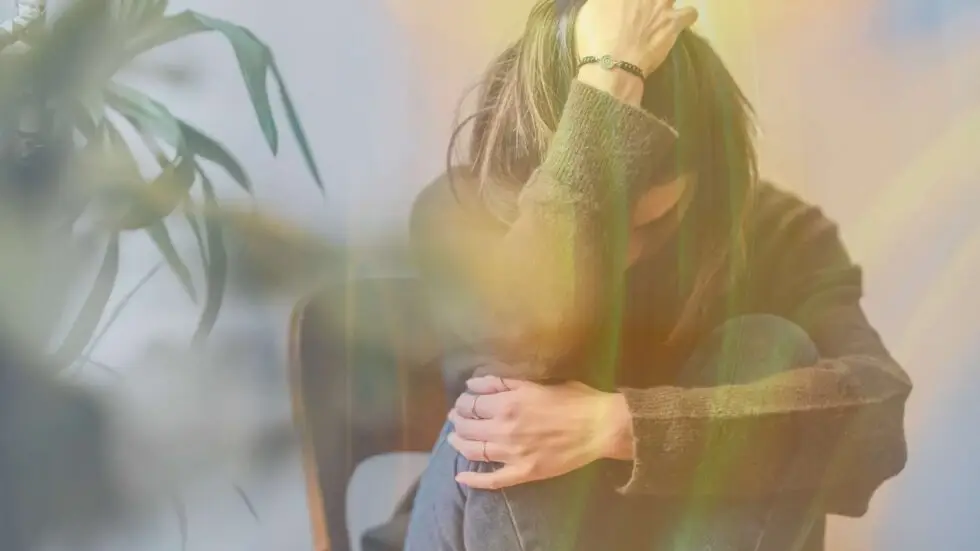
Anxiety is a normal human emotion, and we all feel anxious from time to time. Mild Anxiety is required when we need to survive in dangerous situations, as well as to motivate us with everyday challenges and objectives.
Anxiety is a normal human emotion, and we all feel anxious from time to time. Mild Anxiety is required when we need to survive in dangerous situations, as well as to motivate us with everyday challenges and objectives. Experiencing mild anxiety may help you become more alert to face challenging or threatening circumstances.
Being Emotionally Aware allows you to be able to Manage your own emotions effectively which facilitates harmonious interaction with others; allows you to recognise your worth; take responsibility for your life; being able to cope with what life hands you and live with a sense of purpose.
Written by Zaakirah Mohammed Senior Educational Psychologist @ PsychMatters
Zaakirah Mohammed, a Psychologist with a special interest in trauma for all ages, childhood development and learning disorders
What is Anxiety?
Anxiety is a normal human emotion, and we all feel anxious from time to time. Mild Anxiety is required when we need to survive in dangerous situations, as well as to motivate us with everyday challenges and objectives.
Experiencing mild anxiety may help you become more alert in facing challenging or threatening circumstances. Stressful situations such as meeting tight deadlines or important social obligations often make us scared. However, when this normal emotion develops into an anxiety disorder it then disrupts your overall daily functioning, as well as your physical and mental well-being. It affects how we feel, and how we act in response to it and it can have frightening unexplained physical and mental symptoms which can be very disabling for the sufferer.
The frequency and intensity of anxiety can be overwhelming. If left untreated, anxiety disorders can have severe consequences. For example, some people who suffer from recurring panic attacks avoid any situation that they fear may trigger an attack. Such avoidance behaviour may create problems by conflicting with job requirements, family obligations or other basic activities of daily living.
So, when do you know you are experiencing an anxiety disorder?
Your response is inappropriate for the situation
When anxiety interferes with your normal functioning
You experience excessive anxiety
Feelings of apprehension or fear
You are not always aware or recognize the source of where the anxiety originated from
You cannot control your response
Fortunately, the majority of people with an anxiety disorder improve considerably by getting effective psychological treatment. People who suffer from an untreated anxiety disorder often also suffer from other psychological disorders, such as depression, and they have a greater tendency to abuse alcohol and other drugs. Their relationships with family members, friends and co-workers may become very strained. And their job performance may decline.
The most popular treatments are :
Cognitive-Behavioural Therapy
Systematic exposure to anxiety-provoking situations, objects/thoughts
Learning to substitute positive behaviours and thoughts for negative ones
Learning new coping skills – relaxation exercises, controlled breathing, journaling
Medication
Reduces symptoms of anxiety disorders by influencing brain chemistry
Psychotherapy
Family Therapy
Tips for the sufferer
Consult GP, Psychologist & Psychiatrist (PsychMatters has both on board to assist)
Contact relevant organisations such as SADAG a national non-profit organisation
Educate oneself on anxiety disorders
Join/Start a Support Group which PsychMatters has on a pro bono basis
Establish a Social Support System
Join Internet Discussion Groups
Lead a Healthy Lifestyle:
Use alcohol and other medication in moderation
Eat healthy
Exercise
Get enough rest
Controlled breathing technique
Practice it when you are relaxed so that you can do it whenever you need to. Sit upright; if possible. Sitting upright is usually better than lying down, or ‘slouching’, as it can increase the capacity of your lungs to fill with air.
Control the rate of your breathing If possible, breathe in through your nose and out through your mouth in a steady rhythm. Try to make your breath out twice as long as your breath in. This helps to empty your lungs of old air and to make as much room in your lungs for fresh oxygen-rich air. To do this you may find it helpful to count “one” as you breathe in, and “two, three” as you breathe out.
If possible, mainly use your diaphragm (lower chest muscle) to breathe. Your diaphragm is the big muscle under the lungs. It pulls the lungs downwards which expands the airways to allow air to flow in. When we become breathless, we tend to forget to use this muscle and often use the muscles at the top of the chest and our shoulders instead. Each breath is shallower if you use these upper chest muscles. So, you tend to breathe faster and feel more breathless if you use your upper chest muscles rather than your diaphragm.
You can check if you are using your diaphragm by feeling just below your breastbone (sternum) at the top of your abdomen. If you give a little cough, you can feel the diaphragm push out here. If you hold your hand here you should feel it move in and out as you breathe.
Try to relax your shoulders and upper chest muscles when you breathe It is best to ‘take the weight’ off your shoulders by supporting your arms on the side arms of a chair, or on your lap. A gentle massage of your shoulders by a friend or relative may help you relax. They can stand behind your chair and gently rub your shoulders and encourage you to relax.
Anxiety can make breathing problems worse. So, if possible, try to distract your mind when you are short of breath. For example, shut your eyes and try to concentrate on pleasant, peaceful thoughts. Some people find it easier to distract their mind by watching TV or listening to music. If persistent anxiety is a problem which you think is making your breathing worse, see your doctor. He or she may be able to advise on relaxation exercises or other treatments for anxiety.
Help and Support for others
Get educated on Anxiety Disorders
Go for your own therapy if necessary
Start support group & social support
Give time to yourself
Support sufferer with:
Sticking with medication (our in-house psychiatrist can navigate this with you)
Encourage to go to therapy
Assist sufferer with CBT ‘homework’
Be patient & understanding with his/her behaviour & disorder
For assistance kindly contact Zaakirah Mohamed or any of our psychologists/psychiatrists/ health care team at PsychMatters
Anxiety is a normal human emotion, and we all feel anxious from time to time. Mild Anxiety is required when we need to survive in dangerous situations, as well as to motivate us with everyday challenges and objectives. Experiencing mild anxiety may help you become more alert to face challenging or threatening circumstances.
Stressful situations such as meeting tight deadlines or important social obligations often make us scared. However, when this normal emotion develops into an anxiety disorder it then disrupts our overall daily functioning, as well as our physical and mental well-being. It affects how we feel, and how we act in response to it and it can have frightening unexplained physical and mental symptoms which can be very disabling for the sufferer.
Your response is inappropriate to a situation
When anxiety interferes with your normal functioning
You experience excessive anxiety
Feelings of apprehension or fear
You are not always aware or recognize the source of where the anxiety originated from
You cannot control your response
Fortunately, the majority of people with an anxiety disorder improve considerably by getting effective psychological treatment by a psychologist. People who suffer from an untreated anxiety disorder often also suffer from other psychologicaldisorders, such as depression, and they have a greater tendency to abuse alcohol and other drugs. Their relationships with family members, friends and co-workers may become very strained. And their job performance may decline.
The most popular treatments are:
Cognitive-Behavioral Therapy
Which includes systematic exposure to anxiety-provoking situations, objects/thoughts
Learning to substitute positive behaviours and thoughts for negative ones
Learning new coping skills – relaxation exercises, controlled breathing, journaling
Medication which reduces symptoms of anxietydisorders by influencing brain chemistry
Psychotherapy or counselling with a registered psychologist
Family Therapy facilitated by a psychologist
Tips for the sufferer:
Consult GP, Psychologist and/or a Psychiatrist
Contact relevant organisations such as SADAG
Educate yourself on Anxiety Disorders
Join/Start a Support Group
Establish a Social Support System
Join Internet Discussion Groups
Lead a Healthy Lifestyle:
Use alcohol and other medication in moderation
Eat healthy
Exercise
Get enough rest
Learn and practice controlled breathing techniques which a trained psychologist can assist you with.
Distract your mind – Anxiety can make breathing problems worse. So, if possible, try to distract your mind when you are short of breath. For example, shut your eyes and try to concentrate on pleasant, peaceful thoughts. Some people find it easier to distract their minds by watching TV or listening to music. If persistent anxiety is a problem which you think is making your breathing worse, then see your doctor or psychologist. He or she may be able to advise on relaxation exercises or other treatments for anxiety.
Help and Support for others
Get educated on Anxiety Disorders
Go for your own therapy if necessary
Start a support group and social support
Give time to yourself
Support the sufferer with:
Sticking with the prescribed medication
Encourage him/her to go to counselling or psychotherapy
Assist the sufferer with CBT ‘homework’
Be patient & understanding with his/her behaviour & anxiety disorder
For treatment of anxiety disorders or support needed when dealing with an individual who suffers from anxiety please contact PsychMatters for a psychologist to assist you, on 0114503576.
Feeling unproductive, de-motivated? Struggling to deal with conflict? Your relationship with yourself or with others in Discord? Are you stressed out and feeling lost?
“If we let our own light shine, we unconsciously give others permission to do the same.” Nelson Mandela Inaugural Speech.
Being Emotionally Aware allows you to be able to Manage your own emotions effectively which facilitates harmonious interaction with others; allows you to recognise your worth; take responsibility for your life; being able to cope with what life hands you and live with a sense of purpose. All adults, 2-hour talk
In this workshop you will gain:
A sense of purpose
A holistic perspective of yourself
Healthier personal relationship-building
A sense of emotional balance
Managing Stress
Setting healthy boundaries an making healthy choices in terms of your value systems
To provide the best experiences, we use technologies like cookies to store and/or access device information. Consenting to these technologies will allow us to process data such as browsing behavior or unique IDs on this site. Not consenting or withdrawing consent, may adversely affect certain features and functions.
Functional
Always active
The technical storage or access is strictly necessary for the legitimate purpose of enabling the use of a specific service explicitly requested by the subscriber or user, or for the sole purpose of carrying out the transmission of a communication over an electronic communications network.
Preferences
The technical storage or access is necessary for the legitimate purpose of storing preferences that are not requested by the subscriber or user.
Statistics
The technical storage or access that is used exclusively for statistical purposes.The technical storage or access that is used exclusively for anonymous statistical purposes. Without a subpoena, voluntary compliance on the part of your Internet Service Provider, or additional records from a third party, information stored or retrieved for this purpose alone cannot usually be used to identify you.
Marketing
The technical storage or access is required to create user profiles to send advertising, or to track the user on a website or across several websites for similar marketing purposes.


 On February 9, 2025, the Eonia Linksfield Ridge hike brought together a diverse group of participants, thanks to sponsors and the Eonia Sanctuary’s stunning scenery. The event included welcoming remarks and appreciation for various contributors, promoting the sanctuary’s offerings for wellness workshops and personal transformation in a serene environment.
 Anxiety is a normal human emotion, and we all feel anxious from time to time. Mild Anxiety is required when we need to survive in dangerous situations, as well as to motivate us with everyday challenges and objectives.
 Anxiety is a normal human emotion, and we all feel anxious from time to time. Mild Anxiety is required when we need to survive in dangerous situations, as well as to motivate us with everyday challenges and objectives. Experiencing mild anxiety may help you become more alert to face challenging or threatening circumstances.
 Being Emotionally Aware allows you to be able to Manage your own emotions effectively which facilitates harmonious interaction with others; allows you to recognise your worth; take responsibility for your life; being able to cope with what life hands you and live with a sense of purpose.